
Insights
When a story sounds too ridiculous to be true
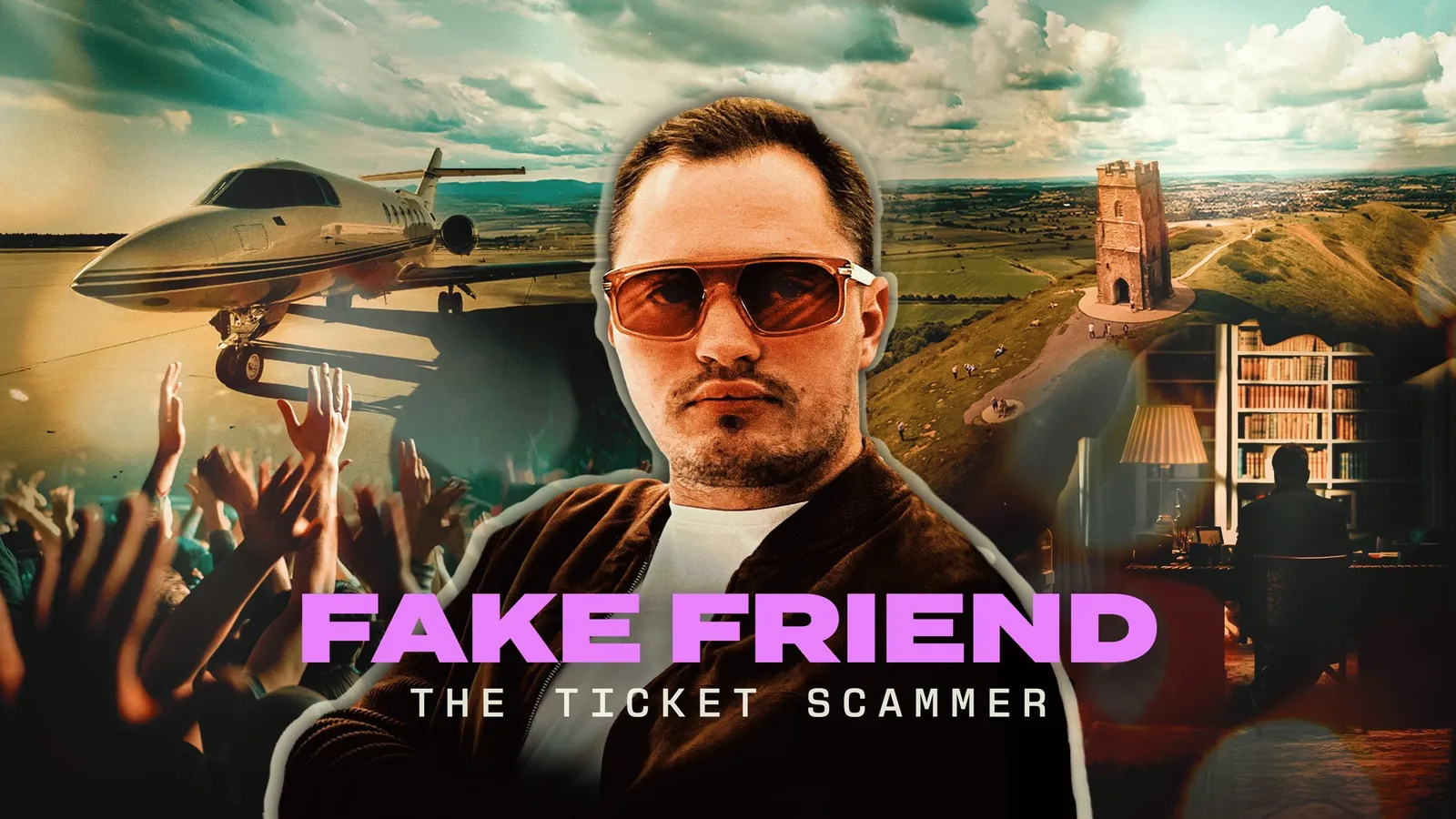
It started with one of those stories that makes you immediately ask: hang on, what?
Our production co-ordinator knew somebody who had been caught up in a ticket scam. Money had changed hands. The tickets never arrived. But this wasn’t simply an anonymous account on social media disappearing after a bank transfer.
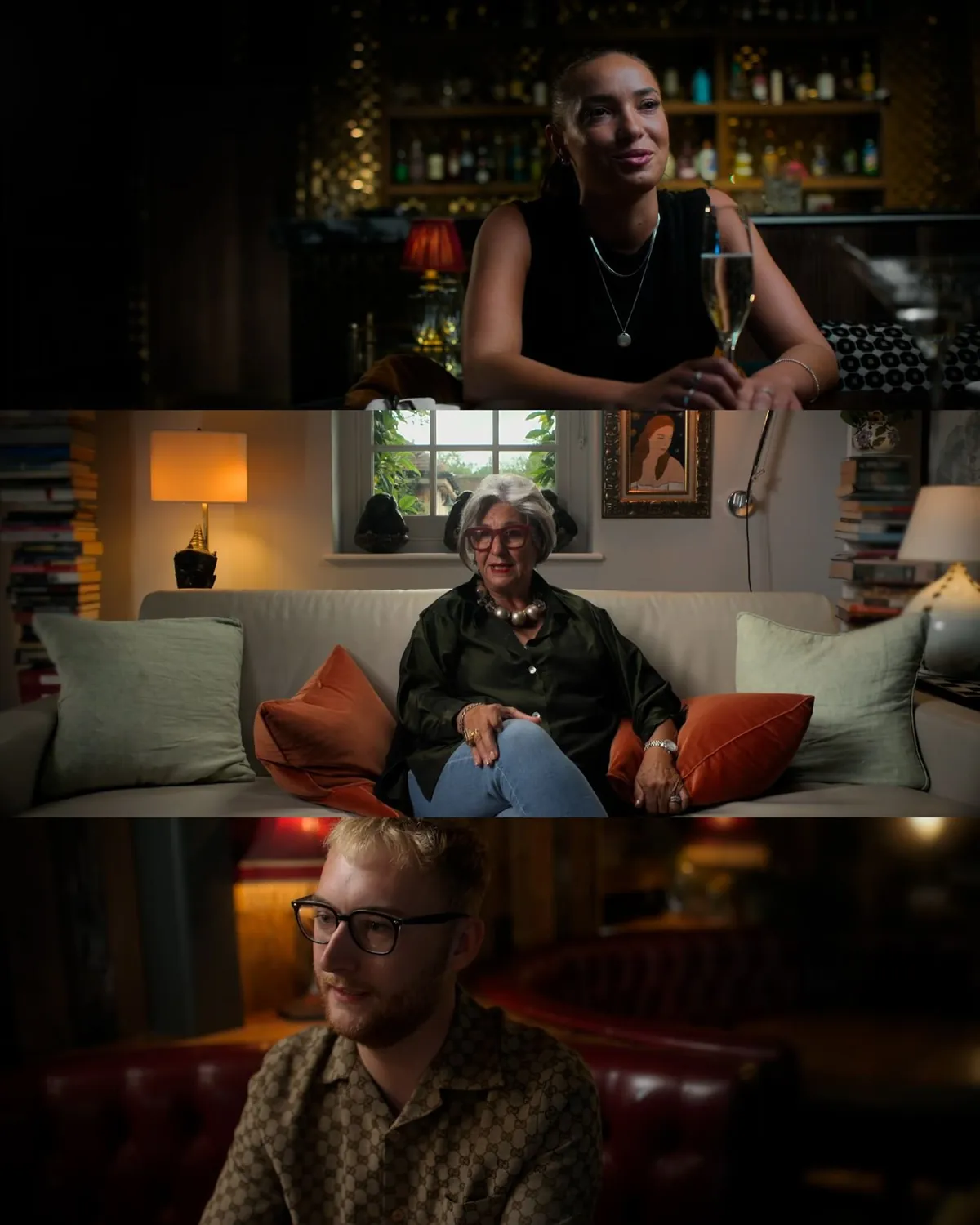
Some of the people involved had met the man they said had deceived them.
Some considered him a friend.
At first, it sounded slightly too ridiculous to be true. Which is normally a fairly good reason to have a look.
We had a name, so we started digging.
Quite quickly, we found warnings and stories online. We began contacting people through social media and every conversation seemed to lead to somebody else, another version of events and, usually, another sum of money.
The story kept getting bigger.
Exciting from a documentary point of view. Alarming from pretty much every other point of view.
The thing that made it different
What interested us most was how old-school the alleged scam appeared to be.
This wasn’t somebody sitting behind a laptop sending out thousands of suspicious emails.
People described phone calls, meetings and face-to-face conversations. They talked about somebody who appeared confident, credible and convincing enough that handing over money did not feel like an obviously reckless thing to do.
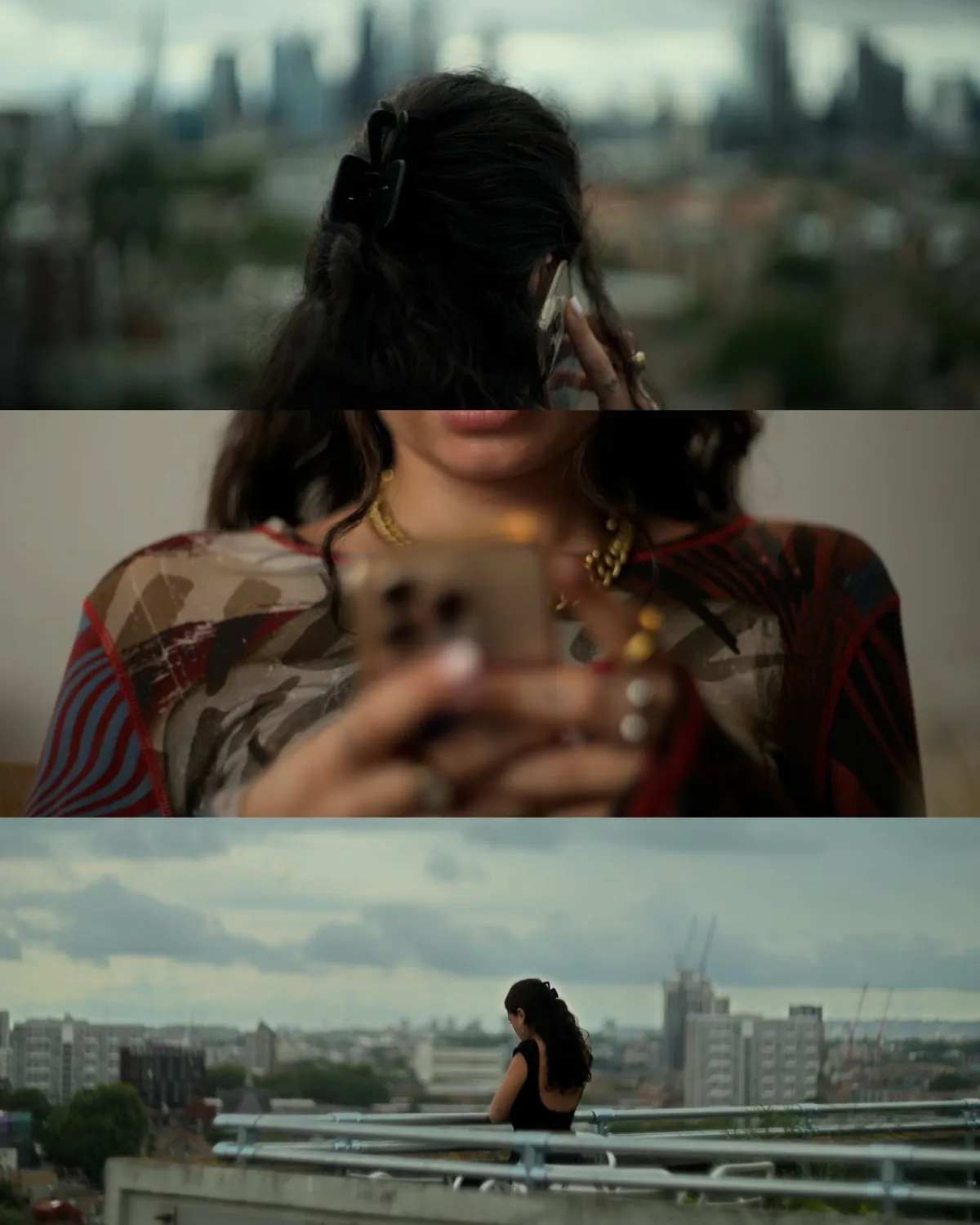
There was something almost Catch Me If You Can about it: an old-fashioned confidence trick playing out in a very modern world.
And that was the point where we realised the story was about more than missing tickets.
It was about trust.
Scams don’t always look like scams
Ticket scams work particularly well because they tend to arrive at exactly the moment when people are most susceptible to them.
A festival or major event sells out. Tickets disappear in minutes. Everyone seems to be talking about going.
Then somebody offers you a way in.
The thing they are really selling at that point isn’t a ticket. It’s hope, urgency and the chance to get through a door that feels closed to everybody else.
A convincing phone call helps. So does a professional-looking contract. A familiar name can make a huge difference. A supposed personal connection can make something feel safer still.
And if you want something badly enough, it becomes much easier to explain away the things that don’t quite add up.
We also wanted to challenge the embarrassment that often follows fraud.
People can be very quick to ask how somebody “fell for it”, but intelligent, experienced and streetwise people can be deceived. Particularly when the person doing the deceiving understands exactly what they want and knows how to earn their trust.
The shame belongs with the person doing the deceiving, not the person who believed them.
That became an important part of Fake Friend: The Ticket Scammer.
Finding a story is not the same as having a programme
Once we knew there was something worth pursuing, the much less glamorous part began.
Because an interesting story and a commissionable television programme are not the same thing.
There is a lot that has to happen in between.
You need to find the people involved and persuade them to speak to you. You need to verify accounts and gather evidence. You need to work out what can actually be proven, where the legal risks are and whether the story you think you have is really the story that exists.
You also have to answer a more basic question:
Is there actually a programme here?
That process can take weeks or months.
And until somebody commissions the idea, nobody is paying you to do it.
What £5,000 really buys
For Fake Friend, initial development funding of £5,000 through the West Midlands IP Fund allowed us to employ a development producer to do that groundwork properly.
On paper, £5,000 in television is not a huge amount of money.
In practice, it changed what we were able to do.
It meant somebody could spend dedicated time identifying and contacting contributors, checking information, gathering evidence and shaping the editorial approach rather than trying to squeeze all of that work into whatever gaps appeared between running the company and delivering existing productions.
That distinction matters.
Small production companies live with a constant development dilemma.
Original ideas are essential. They are how you grow, build intellectual property and create the next piece of work.
But developing them costs money before they make money.
There are still salaries to pay. Existing productions still need delivering. Clients and commissioners still quite reasonably expect the work they have already commissioned to turn up on time.
So development often ends up happening early in the morning, late at night or whenever somebody discovers an hour they weren’t already using.
A relatively small amount of money can interrupt that cycle.
It buys time.
Time to investigate properly.
Time to discover that an idea doesn’t work before investing even more in it.
Or, occasionally, time to discover that the strange story somebody mentioned in passing is much bigger than you first thought.
Turning development into a commission
The development work put us in a much stronger position when the opportunity came to pitch the story to BBC Three.
Instead of arriving with an interesting anecdote, we could demonstrate the scale of the story, the contributors we had found, the evidence behind it and the editorial approach we wanted to take.
That is really what good development does.
It reduces the distance between “we think there might be something here” and “this is a programme we know how to make.”
The documentary was ultimately made as a collaboration between two Birmingham independent production companies, Method in Motion and Spun Gold TV.
We shared an ambition to make something that looked considerably more expensive than was probably sensible to attempt.
The team made the budget work incredibly hard, combining journalism, creative production and a huge amount of commitment to give the film real scale on screen.
Seeing it subsequently nominated for Best Current Affairs Programme at the Broadcast Digital Awards was a brilliant moment for everyone involved.
But the bit we keep coming back to happened much earlier.
Before the filming.
Before the edit.
Before there was even a commission.
Someone was given the time to follow the story.
Building things here
There has been real progress in the West Midlands production sector over recent years.
Broadcasters, commissioners, production companies and regional talent are increasingly being brought together. There are more pitching opportunities, development initiatives, industry events and training schemes, and there is greater recognition of the quality of work being made here.
For us, the real opportunity is what happens next.
We want original and returnable IP to be developed in the West Midlands.
We want broadcasters, brands, investors and commissioners to trust teams here with ambitious ideas.
And we want companies to be able to grow sustainable businesses and long-term careers here, rather than treating the region simply as somewhere productions occasionally visit.
That starts with ideas.
But ideas on their own are cheap.
The difficult bit is creating the time and space to find out which ones are worth pursuing.
In the case of Fake Friend, £5,000 did not buy a television programme.
It bought the opportunity to find out whether there was one.
And sometimes, that is the most valuable part of the whole process.